Workers get injured daily in preventable incidents because someone didn’t stop to talk about the risks. A five-minute conversation before a shift can prevent a lifetime of consequences. Yet, too many teams skip safety briefings because they lack time, resources, or ready-to-use materials. That’s where free downloadable safety toolbox talks come in.
These are not just handouts or PDFs—they’re actionable, focused discussions delivered in a structured format to address specific hazards. And the best part? You don’t need to build them from scratch. High-quality, customizable safety toolbox talks are available for free, designed to save time, ensure consistency, and keep teams informed.
Here’s how to find, use, and maximize free downloadable safety toolbox talks—without falling into common traps.
Why Free Safety Toolbox Talks Matter
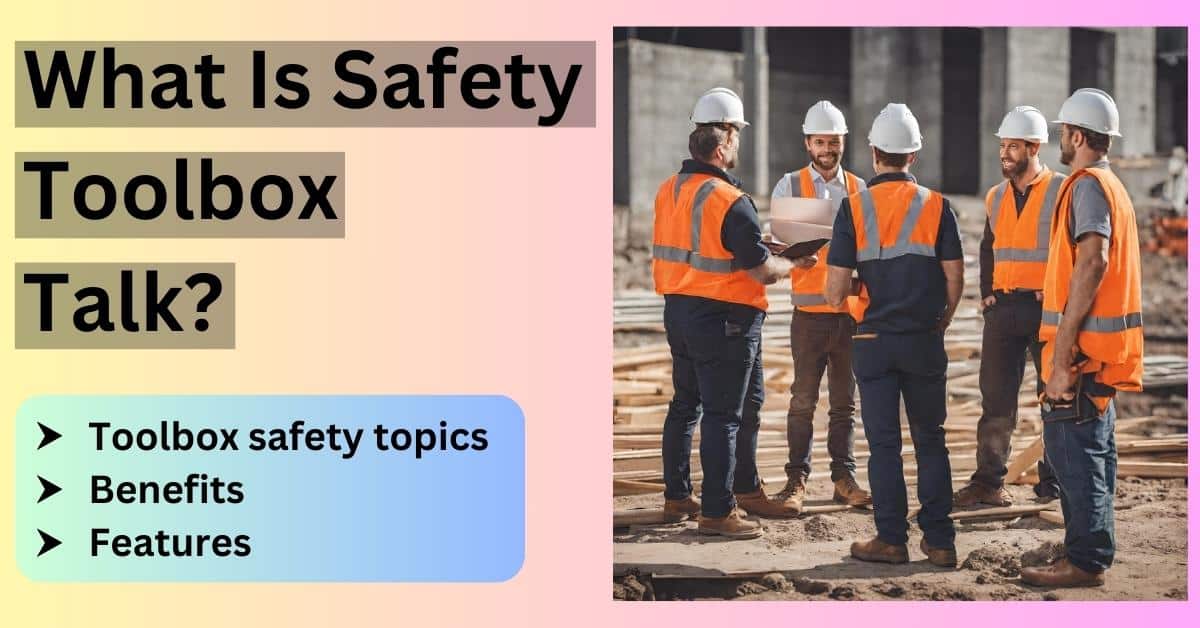
Safety isn’t a one-time training event. It’s an ongoing process that demands regular reinforcement. Toolbox talks—short, informal safety meetings held at the job site—are one of the most effective tools for keeping safety top of mind.
But creating them from scratch every week is unrealistic for most supervisors. That’s where free downloadable templates become essential. They:
- Save time for safety coordinators and team leads
- Ensure consistency across crews and locations
- Cover critical topics aligned with OSHA standards
- Are easy to adapt for site-specific hazards
- Reduce the risk of missed safety discussions
When workers see that safety isn’t an afterthought, but a routine priority, engagement increases. And engagement drives safer behavior.
What Makes a Good Downloadable Toolbox Talk?
Not all free safety talks are created equal. Many are generic, poorly formatted, or lack actionable guidance. The best ones share these traits:
Clarity and Focus Each talk should target one hazard—no broad overviews or topic dumping. For example: “Working at Heights: Fall Protection Inspection” is better than “General Site Safety.”
Real-World Relevance The content should reflect actual conditions on the job. A talk on electrical safety should reference lockout/tagout procedures, not just generic “be careful” advice.
Ready-to-Use Structure A strong template includes:
- Topic title
- Key hazards
- Prevention steps
- Discussion questions
- Sign-off section for attendees
This structure ensures the talk is both informative and documented.
Editable Formats PDFs are fine, but editable formats like Word or Google Docs allow customization. You can add company logos, site-specific rules, or references to internal procedures.
Where to Find Reliable Free Safety Toolbox Talks
You’ll find hundreds of “free” toolbox talks online—but many come with strings attached: email signups, limited downloads, or poor formatting. The following sources provide genuinely useful, no-cost resources without aggressive marketing tactics.
1. OSHA Official Website The Occupational Safety and Health Administration offers free safety materials, including toolbox talk outlines. While not always pre-formatted, they’re authoritative and compliant with federal standards.
Best for: Government-backed, regulation-aligned content Download format: PDF, plain text Limitation: Less polished visually, requires formatting
2. National Safety Council (NSC) NSC provides free safety resources, including weekly safety talk ideas. Their materials are research-based and designed for real-world application.
Best for: High-impact topics like fatigue, stress, and distraction Download format: PDF, web-based Tip: Use their seasonal safety alerts (e.g., winter driving, heat stress) as ready-made talks
3. Construction Industry Safety Initiative (CISI) CISI offers a full library of construction-specific toolbox talks. Each covers a different hazard, from crane operation to silica exposure.
Best for: Construction crews and contractors Download format: Editable PDF and Word Bonus: Includes multilingual versions for diverse teams
4. Mine Safety and Health Administration (MSHA) For mining, quarrying, or underground operations, MSHA’s toolbox talks are unmatched. They address niche risks like confined space entry and methane monitoring.
Best for: Mining and heavy industrial sectors Note: Highly technical—ideal for experienced crews
5. SafetyNow and SafetyInfo
These independent sites compile free safety talks from various sources. While not government-run, they’re curated and widely used in the industry.
Best for: Quick access to a broad range of topics Caution: Verify alignment with current OSHA standards before use
Common Mistakes That Undermine Toolbox Talks
Even with great templates, teams often fail to get results. These mistakes are common—and avoidable.
Mistake 1: Reading the Talk, Not Discussing It Handing out a PDF and reading it aloud kills engagement. A toolbox talk should spark conversation. Ask questions like: - Have you seen this hazard before? - What would you do if you spotted a damaged harness?
Mistake 2: Using Generic Content Without Customization
Using a talk on “slips and trips” without referencing your facility’s wet floors or cluttered walkways makes it feel irrelevant. Always add site-specific examples.
Mistake 3: Skipping Documentation If it wasn’t documented, it didn’t happen—especially in audits. Use the sign-off sheet included in most templates. Keep records for at least one year.
Mistake 4: Holding Talks at the Wrong Time Don’t rush through a safety talk right before a deadline. Hold them when the team is fresh—ideally at the start of a shift or after a break.
Mistake 5: Repeating the Same Topics Without Rotation Covering “PPE” every week gets stale. Use a 52-week safety calendar to rotate topics and ensure full coverage.
How to Customize Free Templates for Maximum Impact
A downloaded template is a starting point—not the final product. Here’s how to tailor it:
Step 1: Add Your Company’s Safety Policies Reference your site’s emergency procedures, permit systems, or PPE requirements. For example, if your policy requires double-checking gas detectors, include that step.
Step 2: Insert Real Incident Examples If there was a near-miss on your site, describe it (without naming individuals). Real stories stick better than hypotheticals.
Step 3: Include Visuals Insert photos of correct vs. incorrect practices. A picture of a frayed extension cord from your own site drives the point home.
Step 4: Translate for Non-English Speakers If your team includes Spanish, Tagalog, or Vietnamese speakers, use translated versions or provide summaries. Safety isn’t inclusive if it’s not understood.

Step 5: Update Frequency Based on Risk High-risk tasks (confined space, hot work) deserve weekly or pre-job talks. Lower-risk areas (office ergonomics) can be monthly.
Sample Toolbox Talk: Working at Heights
Here’s how a customized, downloadable talk might look in practice:
Topic: Fall Protection for Roof Work Hazard: Unsecured ladders, missing guardrails, improper harness use Key Points: - Inspect harness and lanyard before each use - Ensure anchor points are rated and stable - Maintain 100% tie-off when working above 6 feet - Ladders must extend 3 feet above landing
Discussion Questions: - What’s the most common fall hazard on this site? - How do you verify an anchor point is secure?
Attendee Sign-Off: [Name, Signature, Date]
This format takes less than 10 minutes but reinforces critical behaviors.
Integrating Toolbox Talks Into Your Safety Workflow
To make these resources stick, embed them into your regular operations:
- Assign Weekly Leads: Rotate responsibility so supervisors and crew members lead talks. This builds ownership.
- Use Digital Tools: Share PDFs via email or apps like WhatsApp or Slack for remote teams. Some platforms allow digital sign-offs.
- Track Completion: Maintain a log with dates, topics, and attendees. Use it during safety audits.
- Link to JSA/JHA: Align talks with Job Safety Analyses. If the JSA identifies a risk, cover it in the next talk.
- Review and Refresh: Revisit old talks quarterly. Update them based on incident trends or new equipment.
Final Thoughts: Safety Starts With a Conversation
Free downloadable safety toolbox talks aren’t just time-savers—they’re force multipliers for safety culture. When used correctly, they turn compliance into conversation, and awareness into action.
The key is not just downloading the PDF, but delivering the message. Customize it, discuss it, document it. Make it real.
Start with one talk this week. Pick a common hazard. Gather your team. Talk. Then do it again next week.
Because the best safety program isn’t the most expensive one—it’s the one that’s used every single day.
What are toolbox talks? Short safety meetings held before work begins to discuss specific hazards, prevention steps, and safe practices—typically lasting 5 to 10 minutes.
Are free safety toolbox talks OSHA-compliant? Many are, especially those from OSHA, NSC, or MSHA. Always review content to ensure it meets current regulations and your site’s requirements.
Can I edit downloadable safety talks? Yes—editable formats (Word, Google Docs) let you add company policies, site details, or visuals for better relevance.
How often should toolbox talks be held? Weekly is ideal for high-risk industries. Critical tasks may require pre-job talks. Use a rotating schedule to cover all key topics annually.
Do toolbox talks need to be signed off? Yes. Attendee sign-offs provide documentation for audits and show that the safety discussion occurred.
Where can I download safety talks without email signups? OSHA, MSHA, and some industry groups offer direct downloads without requiring contact information. Avoid sites that demand email for every single template.
How do I make safety talks more engaging? Ask open-ended questions, use real examples from your site, include visuals, and rotate who leads the discussion.
FAQ
What should you look for in Free Downloadable Safety Toolbox Talks for Every Workplace? Focus on relevance, practical value, and how well the solution matches real user intent.
Is Free Downloadable Safety Toolbox Talks for Every Workplace suitable for beginners? That depends on the workflow, but a clear step-by-step approach usually makes it easier to start.
How do you compare options around Free Downloadable Safety Toolbox Talks for Every Workplace? Compare features, trust signals, limitations, pricing, and ease of implementation.
What mistakes should you avoid? Avoid generic choices, weak validation, and decisions based only on marketing claims.
What is the next best step? Shortlist the most relevant options, validate them quickly, and refine from real-world results.