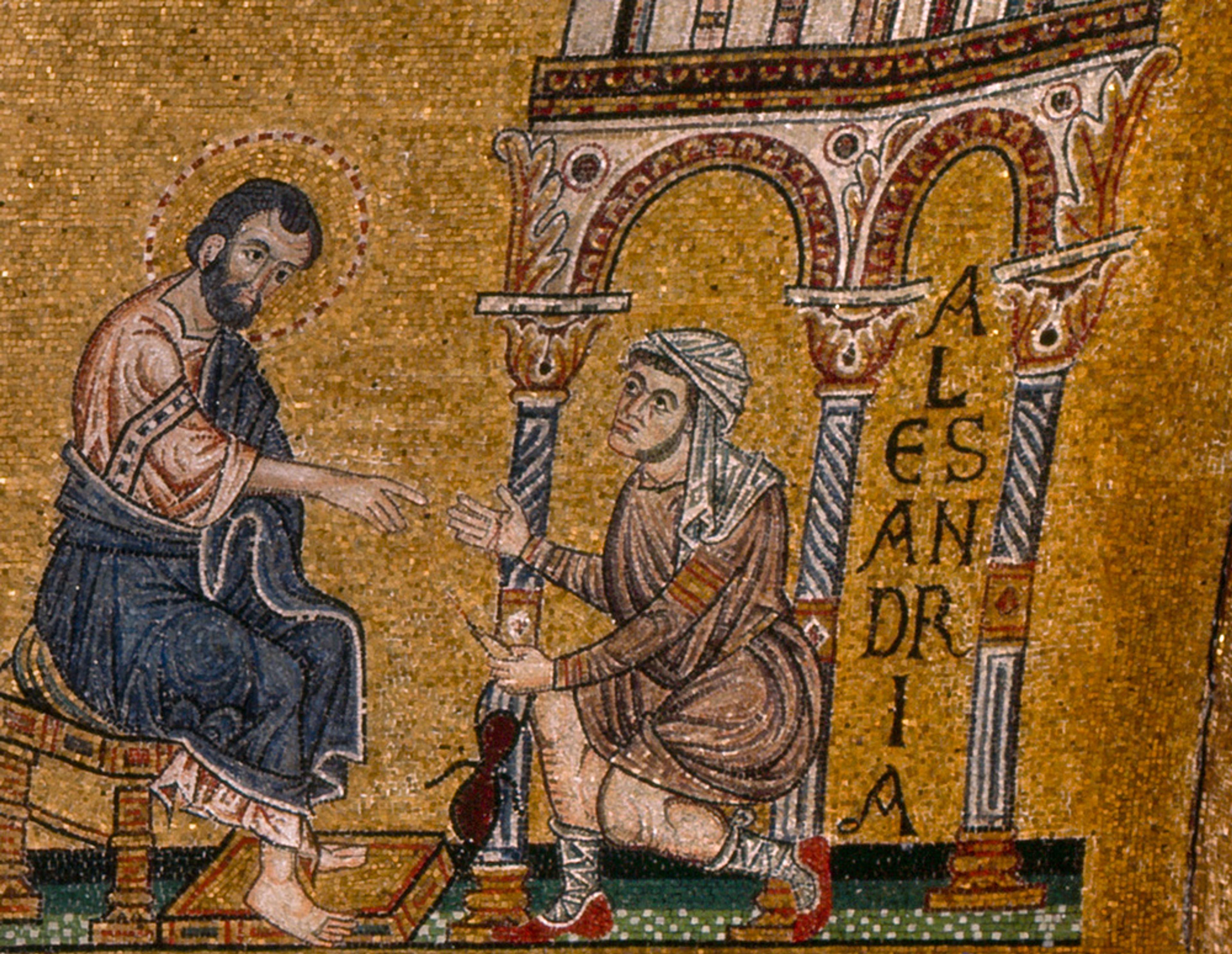
The body in medieval art wasn’t passive. It didn’t simply exist; it meant. Every limb, wound, posture, and gaze carried theological weight and political consequence. Unlike classical art, which idealized the body for beauty or heroism, medieval artists used the human form as a vessel for doctrine, devotion, and domination. The body became a battlefield—where divine authority clashed with earthly power, where suffering was sanctified, and where identity was written in blood, stone, and gold leaf.
This wasn’t art for art’s sake. It was art as instrument: a tool to instruct the illiterate, legitimize rulers, and shape how people understood salvation, sin, and society. To see a crucifix in a 12th-century church was not merely to witness Christ’s death—it was to internalize the cost of redemption, affirm the Church’s role as mediator, and submit to a cosmos ordered by divine hierarchy.
Understanding this transforms how we read medieval images. Behind the gold backgrounds and stylized figures lies a system of meaning where every body tells a story of power, faith, and control.
The Theological Body: Flesh as Divine Blueprint
Medieval theology didn’t see the body as a prison for the soul—as some earlier philosophies did. Instead, it affirmed the Incarnation: God becoming flesh in Jesus Christ. This single doctrine elevated physical form to sacred status. If God chose a body, then the body mattered.
Artists responded by making the body a site of revelation. Christ’s wounds weren’t just injuries; they were “theologia vulnerum”—theology of the wounds. Paintings like the Man of Sorrows depicted Christ not in triumph, but in agony, chest split open, blood pouring. These images weren’t meant to shock for shock’s sake. They invited contemplation: This body suffered for you. This blood saves you.
Icons in the Eastern Church took this further. The body of Christ or the Virgin Mary wasn’t just represented—it was believed to participate in the divine presence. To venerate an icon was to encounter holiness through the body, even if that body was painted on wood.
Saints’ bodies followed the same logic. Relics—bones, hair, clothing—were displayed in elaborate shrines shaped like limbs or torsos (chasse reliquaries). A gold arm holding a fragment of bone wasn’t just decorative; it declared: This body served God. Its power persists. Pilgrims traveled for weeks to touch these objects, believing physical contact could heal, convert, or save.
The Political Body: Crowns, Coronations, and Divine Right
While theology sanctified the body, politics weaponized it. Medieval rulers knew that legitimacy didn’t come from birth alone—it came from appearance. And art was the stage.
Coronation images, like those in the Bible of St. Louis or the Codex Aureus of St. Emmeram, show kings being anointed by bishops, hands raised toward heaven. These weren’t records—they were propaganda. The message: This man’s body is chosen by God. The physical act of anointing transformed flesh into sacred office.
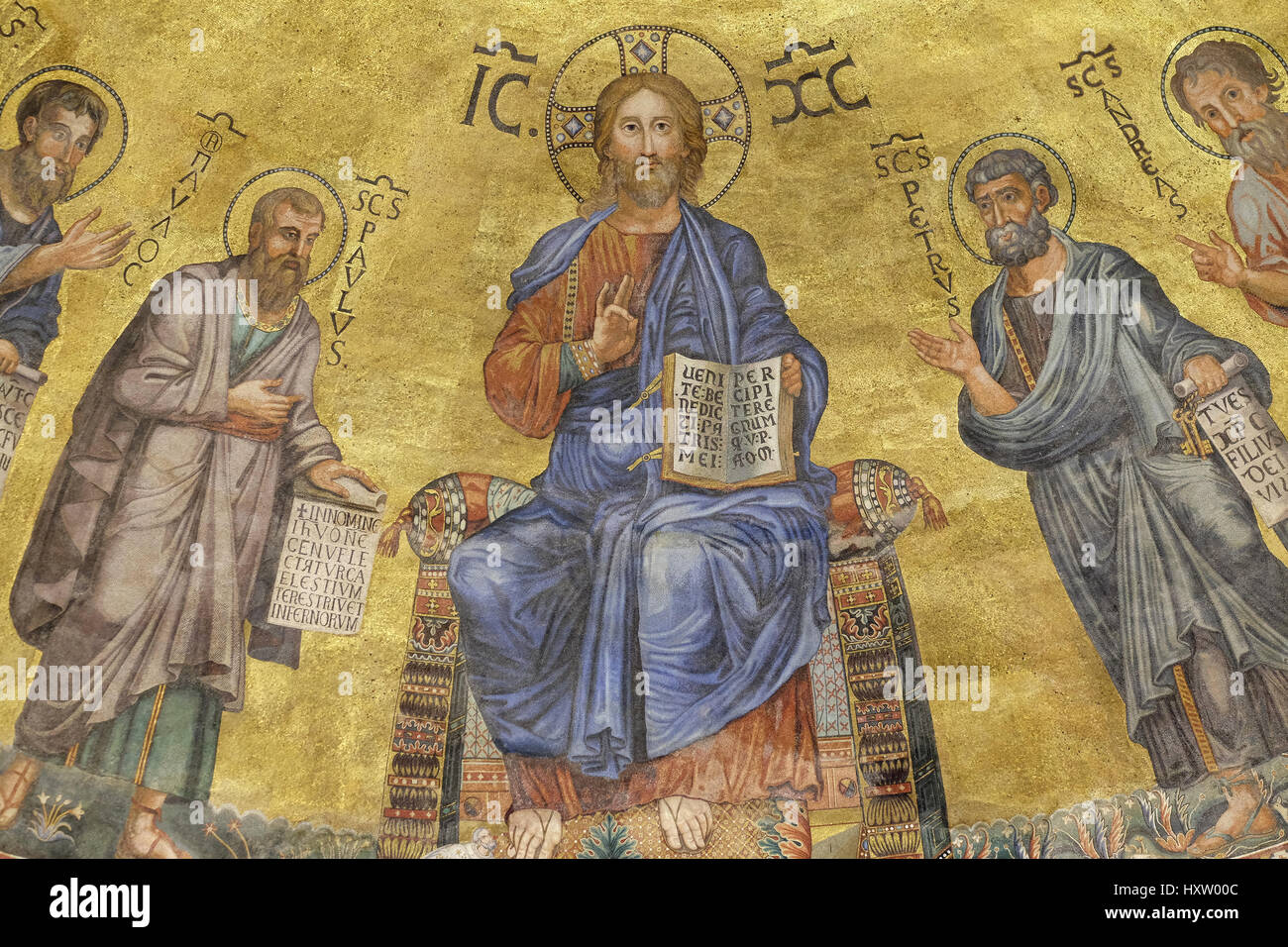
Portraits of emperors and kings often depicted them larger than attendants, bathed in light, or standing on cosmic spheres. In the Coronation of Charlemagne by Raphael (a Renaissance echo of medieval ideals), Charlemagne kneels, but his body dominates the scene. His posture is humble, but his presence is divine. This visual language wasn’t accidental—it was a doctrine made visible: the king’s body was two-fold: earthly flesh and immortal office.
Even queens and noblewomen used bodily representation politically. Eleanor of Aquitaine appears in manuscripts with a crown, gaze steady, hands open in blessing. Her body, like the king’s, was both woman and symbol—mother of heirs, patron of the Church, unifier of realms. In a world without mass media, her image was her authority.
The Body in Pain: Suffering as Spiritual Currency
Suffering wasn’t hidden in medieval art—it was highlighted. The crucifixion wasn’t sanitized. Christ’s body was emaciated, ribs visible, blood streaming, head slumped. The Gero Crucifix (c. 970) in Cologne is one of the earliest large-scale sculptures to show Christ in full agony—his body sagging, face contorted. This wasn’t just realism; it was theology in three dimensions.
Such images served a purpose: to make the viewer complicit. You weren’t just observing the Passion—you were invited to feel it. Monastic meditations like those of St. Bernard urged monks to imagine Christ’s pain in detail, to weep with Mary, to internalize guilt for sin. The body on the cross became a mirror: Your sins did this.
Saints followed the same pattern. St. Sebastian, pierced by arrows; St. Lawrence, roasted on a gridiron; St. Agnes, stabbed for purity. Their bodies were sites of resistance—proof that faith could endure torture. These images weren’t morbid; they were motivational. In an age of plague, war, and famine, suffering wasn’t meaningless—it was redemptive.
But this theology had limits. Only certain bodies in pain were sanctified. The starving peasant, the tortured heretic, the abused woman—these bodies rarely appeared in art unless to illustrate damnation or moral failure. The medieval visual economy privileged holy suffering, not social critique.
Gender and the Sacred Body: Mary, Magdalene, and the Female Form
The female body in medieval art walked a tightrope between purity and peril. On one hand, the Virgin Mary was exalted—Queen of Heaven, vessel of God, untouched by sin. Her body was a temple, often depicted enclosed in a walled garden (hortus conclusus), symbolizing chastity and divine selection.
In contrast, Mary Magdalene was the redeemed sinner—her body once sinful, now sanctified through repentance. Early depictions show her with long, loose hair (a sign of sexual availability), often holding a jar of ointment. Over time, her image merged with other “fallen women,” reinforcing the idea that female bodies were either pure vessels or dangerous temptations.
This duality shaped how women were seen—and how they could be represented. Noblewomen could be shown in prayer, hands clasped, eyes raised—embodying devotion. But overt sensuality was forbidden unless framed by penance. Even nuns’ portraits emphasized humility, not individuality. Their bodies were veiled, their identities subsumed into spiritual office.
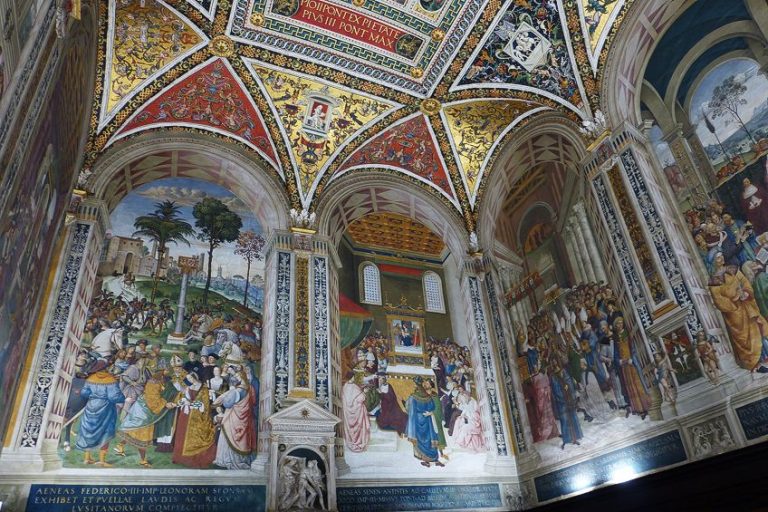
Yet some women used art to reclaim agency. Hildegard of Bingen, the 12th-century mystic, dictated visions where female figures like Ecclesia (the Church) stood radiant and powerful. In her Scivias manuscripts, divine wisdom takes female form—Sophia, robed in light, commanding angels. Here, the female body isn’t passive; it’s prophetic.
The Body in Ritual: Performance as Sacred Embodiment
Medieval art wasn’t confined to walls and books. It came alive in ritual. Liturgical drama, processions, and pilgrimages turned the body into a moving canvas of belief.
Mystery plays performed the Passion annually in towns across Europe. Actors—often tradesmen—played Christ, Mary, and the apostles. When Christ was crucified on stage, the body on the cross wasn’t a prop; it was a representation charged with sacred presence. Audiences wept, fainted, even attacked the actor playing Judas. The line between art and reality blurred.
Pilgrimages followed the same logic. Walking to Santiago de Compostela wasn’t just travel—it was penance. The pilgrim’s body, blistered and exhausted, became a living offering. Cloaks, staffs, and scallop shells weren’t accessories; they were badges of embodied devotion.
Even the Mass was bodily theater. The priest’s hands lifted the Host—transubstantiated into Christ’s body. The congregation knelt, bowed, made the sign of the cross. Every motion reinforced a truth: God is present in flesh. The altar wasn’t a table; it was a stone body, echoing Christ’s tomb.
The Architectural Body: Cathedrals as Collective Flesh
Even buildings became bodies in the medieval imagination. Churches were often described as the Body of Christ, with the nave as the torso, transepts as arms, and altar as heart.
Gothic cathedrals pushed this further. At Chartres, stained glass windows tell salvation history from Adam to the Last Judgment. Walking through the cathedral was like moving through time—and through the body of the Church. The rose window above the west entrance? Often interpreted as the womb of Mary, birthing divine light.
Sculptures on portals reinforced this. At Vézelay, the Ascension of Christ dominates the tympanum. His feet point upward, robes swirling—his body bridging heaven and earth. Pilgrims passed beneath this image, entering not just a church, but a sacred organism.
These spaces weren’t neutral. They directed movement, controlled sightlines, and choreographed emotion. You didn’t just see theology—you performed it with your body.
Why This Matters Now
Today, we’re used to separating politics from religion, body from soul, art from ideology. But medieval art reminds us that these lines are porous. Bodies still carry meaning. Statues are toppled or defended. Images go viral. The way we depict bodies—on screens, in protests, in advertisements—still shapes power.
Studying medieval art isn’t nostalgia. It’s a lesson in how representation works. When a politician is painted larger than aides, when a protestor’s pain is broadcast globally, when a religious symbol is banned or revered—we’re seeing the same dynamics medieval artists mastered.
The body is never neutral. It never was.
Close With a Gesture, Not a Summary
Next time you see a crucifix, a royal portrait, or even a protest image, ask: What is this body doing? Is it suffering for a cause? Claiming authority? Inviting devotion? The answers will tell you not just about the image—but about the world that made it.
Look closely. The body still speaks.
FAQ
What should you look for in How Medieval Art Turned the Body into Sacred Politics? Focus on relevance, practical value, and how well the solution matches real user intent.
Is How Medieval Art Turned the Body into Sacred Politics suitable for beginners? That depends on the workflow, but a clear step-by-step approach usually makes it easier to start.
How do you compare options around How Medieval Art Turned the Body into Sacred Politics? Compare features, trust signals, limitations, pricing, and ease of implementation.
What mistakes should you avoid? Avoid generic choices, weak validation, and decisions based only on marketing claims.
What is the next best step? Shortlist the most relevant options, validate them quickly, and refine from real-world results.