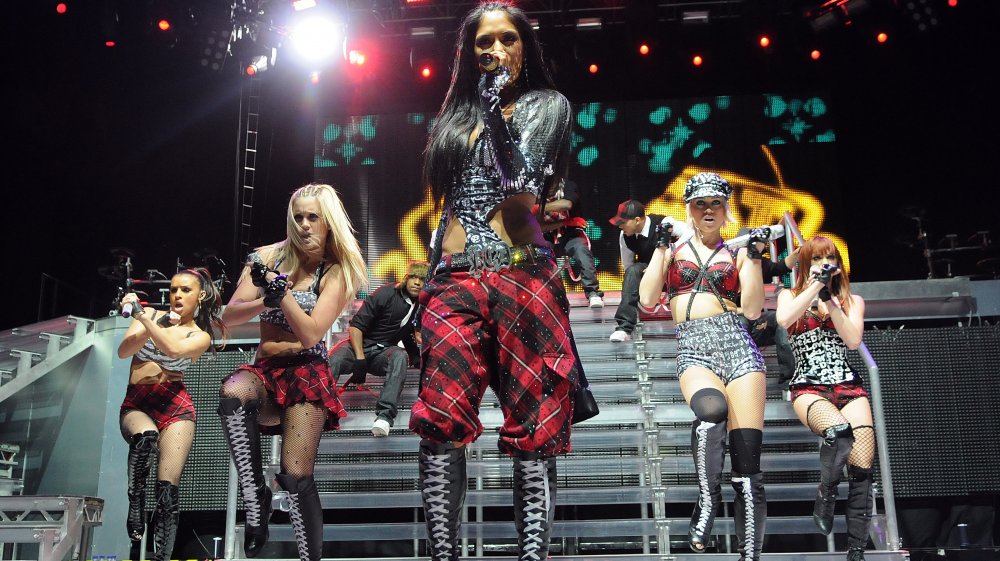
A former girl group singer discovered under the wing of the Pussycat Dolls’ creator has broken her silence—citing emotional discomfort and exploitation tied to the skimpy underwear she was required to wear on stage. Her story isn’t isolated. It’s a sharp indictment of long-standing norms in pop music, where image often eclipses artistry, and young performers are molded into marketable, hyper-sexualized personas before they’ve had a chance to define themselves.
Roberto “Rob” Ellerman, better known as Robin Antin—the choreographer and creative force behind the Pussycat Dolls—built a brand on glamour, choreography, and provocative aesthetics. For over two decades, his acts have been synonymous with high-gloss performances and tight-fitting costumes. But now, one of his protégées is challenging the cost of that image.
The Discovery and the Dream
She was 17 when she auditioned. A talented dancer and vocalist from a small town, she saw the Pussycat Dolls’ legacy as a golden ticket. "I thought I was walking into a sisterhood of strong, confident women," she said in a recent interview. "Instead, I walked into a system that valued my body more than my voice."
Antin’s reputation for discovering and shaping female performers opened doors. His eye for stage presence and market appeal led to multiple girl group iterations beyond the original Pussycat Dolls lineup, including G.R.L. and GNF (Glam Nation Force). These acts followed a well-worn formula: tight choreography, pop-heavy tracks, and costumes that leaned heavily into lingerie-inspired aesthetics.
For many young artists, joining such a group felt like validation. But behind the sparkle, a different narrative was unfolding.
The Costume Directive
From day one, uniformity in appearance was non-negotiable. The choreography was intense, the rehearsals grueling—but it was the wardrobe that became a point of contention.
“We were told the underwear wasn’t optional,” she revealed. “It was part of the brand. We were told we had to ‘sell the fantasy.’ But no one asked if we were comfortable selling it.”
The typical stage outfit included sheer mesh tops, lace bras, garter belts, and boy shorts or thongs—designed for visual impact under stage lighting. While marketed as “empowering” or “confident,” the reality for many performers was more complicated.
“I wasn’t performing as an artist,” she said. “I was performing as a body.”
This pressure wasn’t just aesthetic—it was contractual. Costume riders included strict guidelines on undergarments, weight, and even makeup application. Deviation from the look risked being sidelined during key performances or promotional events.
The Illusion of Empowerment
The Pussycat Dolls famously championed the idea that wearing revealing clothing was an act of female empowerment. Songs like “Don’t Cha” and “Buttons” were framed as anthems of self-expression and sexual confidence. But critics have long questioned whether this narrative truly served the women performing it—or the executives profiting from their image.
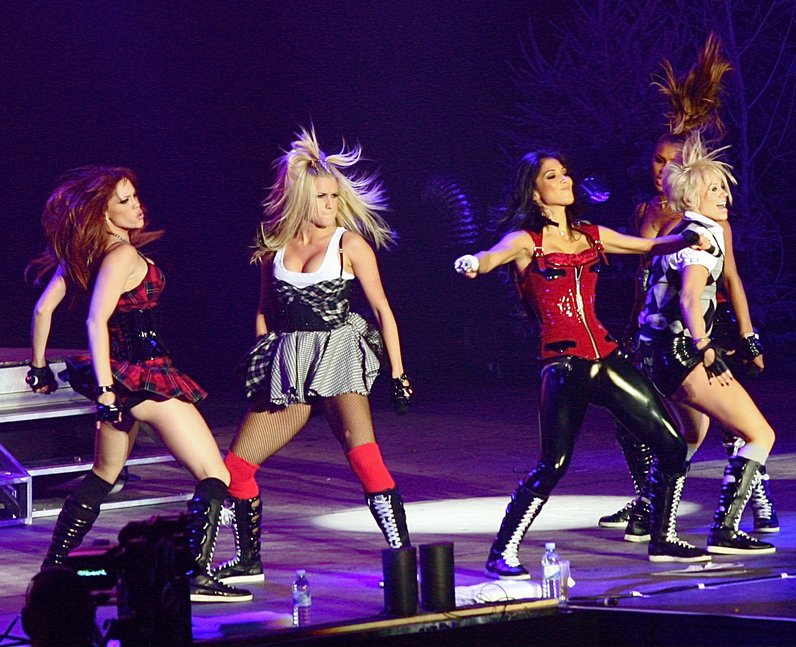
For the young singer, the term “empowerment” felt like a cover. “They’d say, ‘This is your power. Own it.’ But if I said I wanted to wear something that covered more, I was told I ‘wasn’t committed to the vision.’ How is that empowerment?”
Psychologists and industry insiders point to a pattern in pop music: young female performers are often encouraged to adopt hyper-feminine, sexually charged personas early in their careers. This can create long-term identity confusion and body image issues.
Dr. Lena Cho, a media psychologist specializing in celebrity culture, explains: “When a young artist’s worth is tied to their appearance in such a narrow way, it undermines their artistic development. They’re not being asked, ‘Who do you want to be?’ They’re being told, ‘This is who you are now.’”
A Growing Backlash in the Industry
This singer’s account is part of a broader reckoning. In recent years, former members of major girl groups—from Fifth Harmony to Little Mix—have spoken out about restrictive image control, mental health struggles, and lack of creative input.
Fifth Harmony’s Camila Cabello has been vocal about the psychological toll of conforming to industry beauty standards. Little Mix’s members have criticized their early styling as “overly sexualized” and “inappropriate” for their age at the time.
The music industry’s treatment of young female performers is under increasing scrutiny. Social media has given artists a platform to reclaim their narratives—often in direct contradiction to the branding pushed by management teams.
And while Robin Antin has not publicly responded to these latest claims, the conversation around performance wear is shifting. Audiences are demanding authenticity, and younger artists are resisting the pressure to conform.
Redefining the Girl Group Aesthetic
There are signs of change. Newer acts are building brands rooted in individuality and substance, not just spectacle.
BLACKPINK, for instance, blends high fashion with personal style—each member known for distinct aesthetics that reflect their personality. In the U.S., Dream and FLO have introduced girl group energy without relying on overtly sexualized costumes.
Even within legacy acts, evolution is evident. The Pussycat Dolls’ brief 2020 reunion tour sparked debate—some hailed it as a nostalgia-fueled comeback; others criticized it as out of step with modern conversations about consent and representation.
For the singer who spoke out, the goal isn’t to vilify Antin or erase the Pussycat Dolls’ impact. “I respect the work they did,” she said. “But I want younger artists to know they don’t have to trade their comfort for a shot at fame.”
Practical Implications for Aspiring Artists
If you're an aspiring performer, here’s how to protect your boundaries in an industry that often prioritizes image:
- Know Your Rights: Review contracts carefully. Ask about costume requirements and performance expectations before signing.
- Seek Mentorship: Connect with artists who’ve navigated similar paths. Their insights can help you anticipate red flags.
- Build Your Brand Authentically: Focus on developing your voice and style—not just your look.
- Speak Up Early: If something feels off, address it. Silence often leads to resentment.
- Have an Exit Strategy: Know when to walk away. No opportunity is worth your mental health.
Representation matters—but so does agency. The most powerful performances come from artists who feel seen for who they are, not just how they look.
The Cultural Shift Ahead
The music industry is at a crossroads. The model that propelled acts like the Pussycat Dolls to fame—built on tight choreography, radio-friendly tracks, and provocative visuals—is being reevaluated.
Younger audiences respond more to vulnerability, authenticity, and inclusivity. TikTok stars turned pop artists like Olivia Rodrigo and Billie Eilish have risen by rejecting traditional glamour—opting for baggy clothes, raw lyrics, and unfiltered expression.
This shift isn’t just about fashion. It’s about control. Who gets to define what a female performer should look, sound, and act like?
The singer’s decision to speak out is a small but significant step. It challenges the assumption that revealing clothing is always a choice—and highlights the invisible pressure embedded in systems of fame.
Moving forward, the responsibility falls not just on artists, but on creators, managers, and fans. We must ask: Are we supporting artists as full human beings? Or are we still treating them as costumes on legs?
Closing: Reclaiming the Narrative
No artist should have to justify their discomfort. No performer should feel trapped by a uniform that contradicts their values.
The girl group format isn’t the problem—exploitation is. And as more voices emerge from behind the sequins and stage lights, the industry will have to adapt.
For young singers dreaming of the spotlight: your talent is your power. Not your waistline. Not your outfit. You don’t need to wear a thong to prove you belong.
Speak up. Set boundaries. And perform on your own terms.
FAQ
Who discovered the singer who criticized the Pussycat Dolls’ stagewear? She was discovered by Robin Antin, the creator of the Pussycat Dolls, during an audition for one of his girl group projects.
What kind of underwear was required for performances? Performers were expected to wear lace bras, garter belts, boy shorts, or thongs as part of the stage costumes, often under sheer or mesh clothing.
Has Robin Antin responded to the criticism? As of now, Robin Antin has not made a public statement regarding these specific allegations.
Are other former Pussycat Dolls members speaking out? While not all have commented on costume issues, several former members and protégées have spoken about image control and mental health struggles in the industry.
Is the Pussycat Dolls’ aesthetic still popular today? The original aesthetic has faded in mainstream relevance, with modern audiences favoring authenticity over hyper-sexualized presentation.
What can young artists do to protect themselves in auditions? They should review contracts thoroughly, ask about branding and wardrobe expectations, and seek advice from trusted mentors before committing.
How is the music industry changing for female performers? There’s a growing emphasis on artistic autonomy, mental health, and diverse representation—moving away from rigid, sexualized standards.
FAQ
What should you look for in Girl Group Singer Slams Pussycat Dolls Creator Over Stagewear? Focus on relevance, practical value, and how well the solution matches real user intent.
Is Girl Group Singer Slams Pussycat Dolls Creator Over Stagewear suitable for beginners? That depends on the workflow, but a clear step-by-step approach usually makes it easier to start.
How do you compare options around Girl Group Singer Slams Pussycat Dolls Creator Over Stagewear? Compare features, trust signals, limitations, pricing, and ease of implementation.
What mistakes should you avoid? Avoid generic choices, weak validation, and decisions based only on marketing claims.
What is the next best step? Shortlist the most relevant options, validate them quickly, and refine from real-world results.