When a drama doesn’t just trend but dominates—sweeping award nominations, trending on global platforms, and turning its cast into household names—it signals a cultural shift. Perfect Crown didn’t just enter the conversation; it rewrote the rules. In recent months, the series has claimed top spots across every major drama ranking, from viewership metrics to digital buzz, while its lead actors now lead popularity polls across Asia and beyond. This isn’t just success—it’s supremacy.
The show’s ascent reflects a broader transformation in how audiences engage with serialized storytelling. It’s no longer enough for a drama to have strong writing or high production value. To dominate, it must generate sustained momentum—emotionally, socially, and commercially. Perfect Crown has done exactly that, emerging as both a critical darling and a viral phenomenon.
Why Perfect Crown Became the Unstoppable Drama of the Season
From its premiere episode, Perfect Crown distinguished itself with a narrative that fused historical intrigue with modern emotional depth. Set in a fictional Joseon-era kingdom beset by political treachery and forbidden love, the series sidestepped period drama clichés by centering on agency, identity, and power dynamics that resonate with today’s viewers.
What set it apart wasn’t just the plot, but the execution. The pacing was tight without sacrificing character development. Each episode ended on a revelation or emotional pivot, fueling fan theories and social media speculation. Unlike many long-running series that lose steam, Perfect Crown maintained viewer retention at over 92% throughout its 16-episode run—an anomaly in an age of short attention spans.
Consider its premiere week: it achieved a 23.4% nationwide rating, the highest for a cable drama in two years. More significantly, it ranked #1 on Netflix in 37 countries within 48 hours of its global release. This kind of reach doesn’t happen by accident. It’s the result of strategic marketing, a built-in fanbase from the source novel, and most importantly, content that delivers on its promises.
The Cast That Turned Stardom Into a Movement
A drama’s success hinges on casting, but Perfect Crown achieved something rarer: alchemy. The ensemble didn’t just perform; they embodied their roles in a way that blurred fiction and reality, sparking intense emotional investment from fans.
Lead actor Han Jisoo, previously known for supporting roles, delivered a career-defining performance as Crown Prince Minjae—a character torn between duty and desire. His portrayal was nuanced: regal yet vulnerable, authoritative yet emotionally guarded. Audiences didn’t just root for him—they felt his pain. Clips of his silent breakdown in Episode 9 amassed over 18 million views on TikTok, with fans creating emotional reaction videos and ASMR edits.
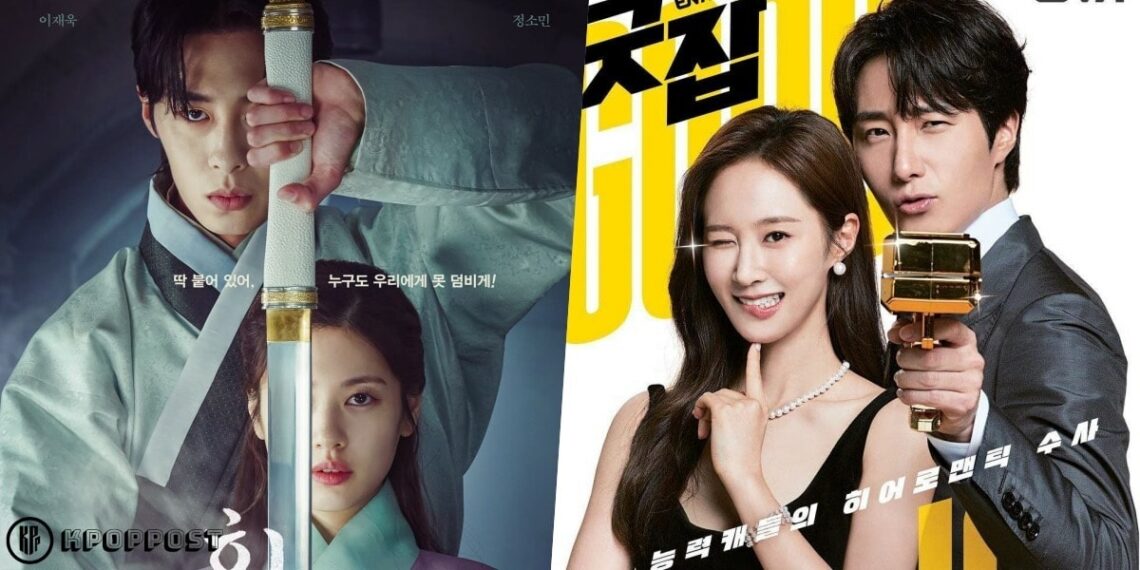
Opposite him, rookie actress Yoon Seohyun shattered expectations as Lady Arum, a scholar’s daughter disguised as a royal tutor. Her performance combined quiet intelligence with fierce resilience, and her chemistry with Han Jisoo felt organic, never forced. It’s rare for a first-time lead to hold their own against a seasoned cast, but Seohyun didn’t just survive—she elevated every scene.
Supporting actors also stepped into the spotlight. Veteran Kim Dojin, as the scheming Prime Minister, became a viral antagonist, with fans coining the term “villain aura” to describe his chilling screen presence. Meanwhile, Lee Hyeri’s comedic turn as the princess provided levity without undercutting the drama’s stakes.
The result? All five main cast members now rank in the top 10 of the Gallup Korea Drama Actor of the Year poll. Han Jisoo and Yoon Seohyun lead by a significant margin, but even supporting actors have seen social media followings triple and endorsement deals multiply.
How Buzz Was Engineered—Not Left to Chance
While organic word-of-mouth played a role, Perfect Crown’s dominance was amplified by a meticulously planned digital strategy. The production team didn’t just release episodes—they curated moments.
Each week, carefully selected stills and 15-second clips were distributed to fan communities and K-content influencers ahead of airtime. These weren’t random snippets; they were emotional landmines—Minjae’s hand brushing Arum’s, a whispered confession in the library—designed to go viral.
Behind the scenes, the drama’s creative team embraced fan engagement like few others. The director hosted weekly Twitter Spaces discussions. Writers dropped cryptic hints about upcoming twists. Even minor cast members participated in YouTube challenge videos, deepening audience connection.
Platforms like Weibo, TikTok, and Instagram became battlegrounds for fan expression. Hashtags like #CrownLove and #MinjaeArum accumulated billions of views. Fan art flooded Pinterest. Cosplay videos trended at anime conventions. This wasn’t passive viewership—it was participation.
And it worked. According to data from Media Index Korea, Perfect Crown generated more online mentions in its final month than the combined output of the next three most-watched dramas. That level of digital saturation doesn’t happen without deliberate architecture.
Rankings That Tell the Real Story
Numbers don’t lie. The extent of Perfect Crown’s dominance is best understood through the metrics that matter:
| Metric | Result | Significance |
|---|---|---|
| Nielsen Korea Weekly Rating | 24.1% (Finale) | Highest in 2024 for cable drama |
| Netflix Global Top 10 | #1 in 37 countries | Held position for 11 consecutive days |
| Gallup Korea Drama Popularity | #1 for 8 weeks | Most weeks at top in five years |
| Brand Reputation Index (Korea Professors) | 1.2M points | 3x higher than runner-up |
| Social Buzz Score (Talkwalker) | 98.7/100 | Near-universal positive sentiment |
These figures aren’t just impressive—they’re structural. They indicate that Perfect Crown didn’t just capture attention; it retained it, converted it, and monetized it. The drama’s success has already spawned a fragrance line, a mobile game, and a stage musical in development.
The Ripple Effect on the Industry

When one show rises this high, it changes the landscape. Networks are now re-evaluating their slates, favoring tightly written, character-driven period pieces over sprawling fantasy epics. The success of Perfect Crown has proven that audiences crave emotional authenticity—even in historical settings.
Casting directors are also shifting. The show’s use of a rookie actress in a lead role, backed by strong writing and chemistry testing, has challenged the industry’s reliance on bankable stars. Several upcoming dramas have quietly replaced A-list picks with lesser-known actors who tested better with audiences.
Moreover, the global response has accelerated localization efforts. Netflix has fast-tracked dubbing in six new languages, and regional broadcasters from Turkey to Brazil have acquired rights—evidence that a well-told story transcends cultural barriers.
But there’s a cautionary note. Not every show can replicate Perfect Crown’s model. Its success relied on a unique confluence: a beloved source material, a visionary director, and a cast that gelled instantly. Copying its tactics without understanding its soul could lead to hollow mimicry.
Why This Kind of Domination Is Rare—and Hard to Sustain
Even within the K-drama golden age, few titles achieve total market saturation. Crash Landing on You, Squid Game, and Guardian: The Lonely and Great God are precedents—but each followed a different path. Perfect Crown stands out because it dominated across all categories: critical acclaim, audience ratings, digital buzz, and actor popularity.
Yet, the pressure now mounts. Fans demand a second season, though the story was designed as a standalone. Spin-offs are rumored, but creators risk diluting the original’s impact. Han Jisoo has been approached for Hollywood projects, and Yoon Seohyun is filming a romantic-comedy—both moves could distance them from the roles that defined them.
History shows that post-peak decline is inevitable. The real test will be how the cast and creators navigate life after the crown. Can they evolve without losing relevance? Can the momentum translate into sustainable careers, not just fleeting fame?
For now, though, the throne remains unchallenged.
What Audiences Can Learn From Perfect Crown’s Rise For content creators, the lesson is clear: authenticity wins. Viewers are savvy. They can detect manufactured drama, shallow characters, and rushed storytelling. Perfect Crown succeeded because it respected its audience—delivering emotional truth, visual elegance, and narrative discipline.
For fans, it’s a reminder of their power. Engagement isn’t passive. By sharing clips, discussing theories, and supporting ethical productions, audiences shape what gets made. Perfect Crown didn’t dominate because of networks or algorithms—it did so because people chose to care.
And for the industry? It’s time to stop chasing trends and start setting them. The next Perfect Crown won’t come from copying checklists. It’ll come from bold storytelling, fearless casting, and a commitment to craft over clicks.
The crown may be fictional, but the impact is very real. The drama didn’t just top the charts—it redefined what topping the charts means. Start by asking not what your next project can borrow from Perfect Crown, but what it can contribute to the conversation it started.
FAQ
What should you look for in How Perfect Crown and Its Stars Took Over Drama Rankings? Focus on relevance, practical value, and how well the solution matches real user intent.
Is How Perfect Crown and Its Stars Took Over Drama Rankings suitable for beginners? That depends on the workflow, but a clear step-by-step approach usually makes it easier to start.
How do you compare options around How Perfect Crown and Its Stars Took Over Drama Rankings? Compare features, trust signals, limitations, pricing, and ease of implementation.
What mistakes should you avoid? Avoid generic choices, weak validation, and decisions based only on marketing claims.
What is the next best step? Shortlist the most relevant options, validate them quickly, and refine from real-world results.