When a beloved My Hero Academia voice actor and Twitch streamer admitted to cheating on his long-term girlfriend, the internet braced for damage control. What followed wasn’t remorse—it was a tone-deaf apology that amplified the fallout, turning personal betrayal into a public relations disaster. Fans, colleagues, and casual observers watched in disbelief as the apology not only failed to heal wounds but deepened them, exposing a troubling pattern among online personalities who mistake visibility for accountability.
This isn’t just another romance gone wrong. It’s a case study in how not to handle a public crisis—especially when your livelihood depends on public trust.
The Fallout Begins: A Leaked Confession Sparks Outrage
The drama unfolded when private messages and screenshots surfaced on social media, allegedly showing the voice actor—known for his role as a fan-favorite My Hero Academia character in English dubs—engaging in flirtatious conversations with multiple women while in a committed relationship. The evidence pointed to emotional and physical infidelity, with timestamps revealing activity during livestream breaks and convention weekends.
His girlfriend, also a figure in the anime community, shared part of the exchange on her now-deleted Instagram story, writing: "I thought we were building something real. Turns out, I was just content."
The post went viral within hours. Fans flooded forums, dissecting the timeline. Was this a misunderstanding? A moment of weakness? Or a pattern of behavior masked by a charming on-screen persona?
The Apology That Made Things Worse
Instead of addressing the situation with humility, the voice actor took to YouTube with a 12-minute video titled "Clarifying Recent Events." But from the opening lines, it was clear this wouldn’t be a sincere reckoning.
He opened not with an apology, but with context: "Look, I’ve been under a lot of pressure. Conventions, streaming schedules, voice recording deadlines… it’s a lot."
Immediately, fans noted the red flag: blaming external stress instead of taking ownership. He admitted to "crossing boundaries" but framed them as "misguided attempts at connection." He never used the word “cheating.” He didn’t name his girlfriend. He didn’t apologize directly to her.
Instead, he asked fans to “please respect his journey” and “allow space for growth.”
The backlash was instant. Comments sections exploded. Clips of the video spread across TikTok and Twitter, often paired with sarcastic captions: "When your accountability looks like a therapy session you didn’t pay for." "He didn’t cheat. He ‘misguidedly connected.’"

Even neutral observers noted the lack of empathy. "He spent more time talking about his burnout than her pain," wrote one Reddit user, whose comment garnered over 10,000 upvotes.
Why This Apology Failed: A Breakdown of Mistakes
A genuine public apology requires three elements: acknowledgment, accountability, and amends. This one had none. Here’s why it collapsed:
#### 1. No Direct Address to the Hurt Party He never spoke to his girlfriend by name or acknowledged her emotional experience. Public apologies aren’t for the audience—they’re for the person you wronged. By ignoring her directly, he treated her pain as background noise.
#### 2. Excuses Over Empathy Stress, isolation, fame—these are real challenges for streamers and voice actors. But citing them as reasons for cheating shifts blame. It implies the behavior was inevitable, not a choice.
#### 3. Vagueness as a Shield Phrases like “emotional missteps” and “boundaries were crossed” are corporate-speak, not contrition. They dilute the severity of betrayal. Admitting “I cheated” carries weight. Euphemisms do not.
#### 4. Focus on Self-Image, Not Repair The video centered his feelings, his growth, his journey. Real accountability centers the person who was harmed and outlines how you’ll make it right—whether through therapy, public amends, or stepping back.
The Ripple Effect: Professional and Fanbase Repercussions
The fallout wasn’t limited to social media outrage. Within days:
- A major anime convention dropped him from their guest list, citing “values misalignment.”
- His Patreon lost over 30% of subscribers in 48 hours.
- The studio behind the My Hero Academia English dub issued a neutral statement: "We’re aware of the situation and support respectful dialogue."
- Translation: No immediate firing—but no defense, either.
Fans reported feeling “betrayed twice”—once by the cheating, and again by the refusal to own it. “I donated to his streams thinking he was genuine,” said one viewer. “Now I feel like I funded someone who lies for clout.”
Even voice actor peers stayed silent. In a community where reputation is currency, silence speaks volumes.
The Bigger Picture: Accountability in the Anime Streaming World
This incident isn’t isolated. The anime streaming and voice acting niche blends performance, fandom, and intimacy. Streamers often build parasocial relationships, sharing personal stories, hosting virtual hangouts, and fostering loyalty.
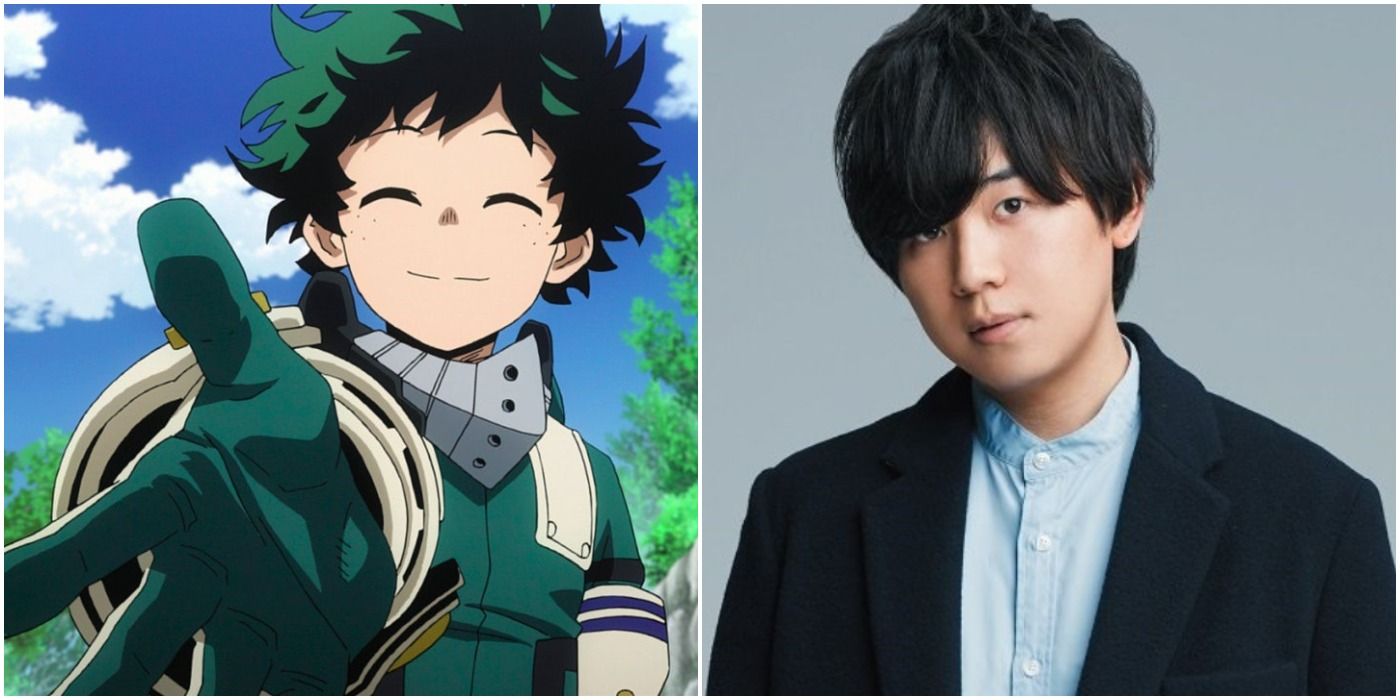
But that intimacy creates risk. When a figure known for playing heroes—like Deku or Hawks—acts contrary to those ideals, the dissonance is jarring.
And too often, apologies in this space follow the same script: - Acknowledge “mistakes” without naming them - Cite burnout or loneliness - Ask fans for patience - Return to streaming within weeks
It’s a cycle that rewards visibility over integrity.
Damage Control Done Right: What He Should Have Done
Contrast this with how other public figures have handled similar scandals:
- Crisis Response: Issue a written statement first, not a video. Give the injured party time and privacy.
- Direct Apology: Address the person harmed by name. Say “I cheated.” Say “I’m sorry.”
- Remove Yourself: Announce a temporary hiatus from streaming and public events.
- Commit to Change: Share (without oversharing) that you’re in therapy or counseling.
- Let the Consequences Land: Don’t rush back. Let accountability breathe.
One former voice actor, who faced a similar scandal in 2020, took a six-month break, donated to a domestic abuse charity, and returned only after his ex confirmed she had no objections. His eventual return was cautious—and met with cautious acceptance.
Can Trust Be Rebuilt?
Right now, the path forward is narrow. The apology didn’t just fail—it backfired. Rebuilding trust requires more than a better video. It requires:
- Private restitution to his ex-partner (if she’s open to it)
- Public transparency about therapeutic work
- A long absence from the spotlight
- And, most importantly, time
But in an attention economy where cancelation is fast and forgiveness is monetized, many influencers skip the hard work. They wait out the storm, then return to business as usual.
Fans are starting to push back. “Stop letting people monetize their redemption arcs before they’ve even done the work,” wrote a moderator on a popular anime Discord.
The Lesson for Influencers and Fans Alike
This scandal isn’t just about one man’s choices. It’s about what we reward.
When voice actors double as streamers, their personal lives become content. And when they fail, their apologies become performance.
The real test of character isn’t how you play a hero on mic. It’s how you act when the cameras are off—and when they catch you anyway.
For fans, the takeaway is clear: Support creators, but don’t conflate charisma with integrity. For creators, the message is sharper: Your audience sees more than you think. Own your actions—before someone else does it for you.
What to Do If You’re a Fan Caught in a Creator Scandal - Pause donations or subscriptions until the situation clarifies - Respect the privacy of those harmed—don’t dig or spread unverified info - Engage critically: Ask whether the apology centers the victim - Support accountability, not just content
For now, the voice actor remains on hiatus. His streams are dark. His reputation is fractured. And the My Hero Academia fanbase is left wondering: Can someone who voiced a symbol of justice ever regain their own?
What mistakes should you avoid? Avoid generic choices, weak validation, and decisions based only on marketing claims.
What is the next best step? Shortlist the most relevant options, validate them quickly, and refine from real-world results.