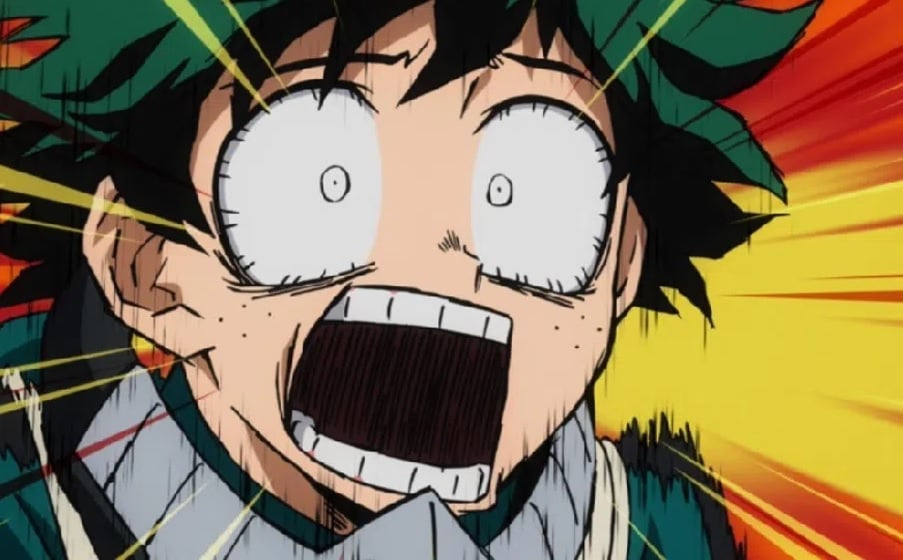
When a beloved My Hero Academia voice actor and active streamer publicly apologized for cheating on his long-term girlfriend, few expected the fallout to be as damaging as the act itself. The apology, streamed live and later shared across social platforms, was meant to be a moment of accountability. Instead, it became a case study in how not to handle personal scandal—especially when your livelihood depends on public trust.
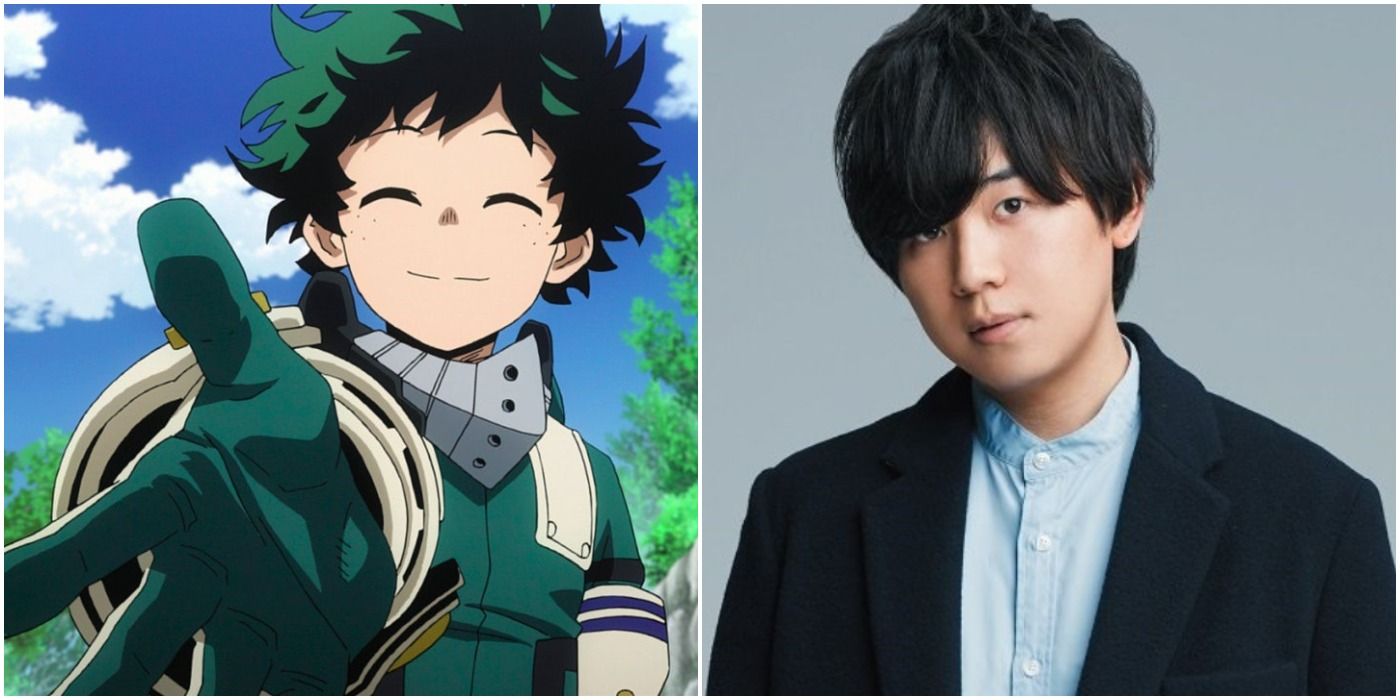
The voice actor, known for voicing a major fan-favorite character in the My Hero Academia anime, has built a dual career: respected in voice acting circles and deeply embedded in the anime streaming community. His streams—often filled with behind-the-scenes insights, character impressions, and fan interactions—cultivated a loyal audience that saw him as genuine and relatable. That perception now lies in tatters.
The Apology That Made Things Worse
The apology stream began with a somber tone. Dim lighting, no background music, and a visibly shaken delivery suggested sincerity. He admitted to an emotional and physical affair during a period of “emotional distance” in his relationship. He took “full responsibility,” apologized to his girlfriend, and thanked fans for their support.
On paper, it checks the boxes. In practice, it failed almost immediately.
Viewers noted red flags in real time: vague language, deflecting blame through passive phrasing (“mistakes were made”), and an overemphasis on how he was suffering. One fan commented: “It’s supposed to be about her pain, not your guilt.” The comment quickly went viral.
Worse, he framed the infidelity as a consequence of “burnout” from streaming and voice work—implying professional pressure justified betrayal. That excuse didn’t land. “You don’t cheat because you’re tired,” another viewer posted. “You cheat because you choose to.”
By the end of the 15-minute monologue, the chat had shifted from sympathy to skepticism. Within hours, clips of the stream flooded TikTok, Reddit, and X (formerly Twitter), with hashtags like #NotSorry and #ActorApologyFails trending.
Why Fans Reacted So Strongly
The backlash wasn’t just about the cheating. It was about the dissonance between public persona and private behavior.
For years, this voice actor cultivated an image of loyalty and emotional intelligence. He frequently shared stories about his relationship, posted anniversary content, and even voiced romantic anime characters in dramas about trust and commitment. Fans didn’t just admire his talent—they trusted him as a moral figure.
That trust evaporated quickly.
Psychologically, this is a classic example of the “moral licensing” effect. When public figures position themselves as ethical—especially through consistent messaging—they gain what’s known as “trust capital.” Betrayal doesn’t just break trust; it feels like a theft.
One fan wrote: “I watched My Hero Academia with my partner every week. We talked about how his character stood for integrity. Now I can’t even hear the voice without feeling angry.”

Moreover, the streaming community values authenticity above all. Apologies are common—over offensive jokes, technical mistakes, or burnout announcements. But when a streamer uses the same platform to confess a personal betrayal, expectations are higher. The medium demands honesty, not performance.
His apology felt rehearsed, defensive, and self-focused. That perception turned sympathy into scorn.
The Role of Fan Expectations in Anime Culture
Anime fandoms are unique in how deeply they bond with voice actors. Unlike film or TV, where actors are seen but not constantly engaged with, anime voice performers often exist at the intersection of performance and community.
They attend conventions, run live streams, interact daily on social media, and sometimes even collaborate with fans on creative projects. This proximity breeds intimacy. Fans don’t just like the character—they feel like they know the person behind the mic.
When that person fails to meet the moral standards of the characters they portray, the cognitive dissonance is jarring.
Consider the character he voices: a heroic figure who consistently chooses sacrifice over selfishness, loyalty over convenience. That character’s arc is built on redemption through accountability—not evasion. Fans expected the actor to mirror that growth. Instead, he echoed the flaws of the villains the character opposes.
This isn’t the first time an anime voice actor has faced personal scandal. But it’s rare for the fallout to be so swift and severe. The difference? The apology wasn’t just seen as inadequate—it was seen as inauthentic, a PR move disguised as vulnerability.
Damage Control and Career Consequences
In the days following the stream, consequences began to unfold.
First, a popular anime convention announced the voice actor had been removed from its guest list, citing “recent developments.” No further explanation was given, but the message was clear.
Next, fan-made content featuring his voice lines was pulled from major YouTube channels. One editor, known for emotional tribute videos, posted: “I can’t in good conscience keep using his voice when I know what he did.”
More quietly, whispers emerged about potential recasting. While no official studio has announced changes, insider forums are buzzing. In anime, recasting is rare but not unheard of—especially when a voice actor becomes toxic to the brand.
Meanwhile, his streaming numbers have plummeted. Subscribers dropped by over 60% in a week. Sponsorships remain silent. One brand that previously partnered with him quietly removed his posts.
Even his fellow voice actors have stayed publicly neutral—avoiding direct commentary, but also not offering support. In Hollywood, peers might defend or condemn. In anime circles, silence often speaks louder.
How Apologies Go Wrong—And How to Fix Them
This incident offers a blueprint for what not to do when facing public scandal. But it also reveals lessons for anyone in the spotlight.
- Avoid vague language. Saying “I made mistakes” is not the same as “I cheated on my partner.” Specificity shows accountability.
- Center the victim. The apology should focus on the person harmed, not your emotional state. “I understand how much I hurt you” carries more weight than “I feel terrible.”
- Don’t excuse, even if there’s context. Burnout, stress, or emotional distance may explain behavior—but they don’t excuse betrayal. Acknowledge complexity without justifying harm.
- Don’t use the platform as therapy. Live streams are performance spaces. If you need to process guilt, do it offline first.
- Prepare for backlash. Once it’s public, you lose control. Have a crisis plan—media response, community manager coordination, mental health support.
A better approach? Step away, issue a concise written statement, and let time pass before re-engaging. Let actions—not words—rebuild trust.
The Bigger Picture: Accountability in the Streaming Era
This scandal reflects a larger shift in digital culture. Fans no longer separate art from artist as easily as before. When creators are accessible 24/7 through streams, DMs, and livestreams, their personal lives become part of the content ecosystem.
In this environment, authenticity isn’t optional—it’s currency.
Voice actors, once shielded by anonymity, now operate like influencers. Their voices may sell the character, but their personalities sell the connection. When that connection breaks, the consequences extend beyond relationships—they affect careers.
And while forgiveness is possible, it’s not automatic. It must be earned through time, consistency, and genuine change.
For this My Hero Academia voice actor, the road back—if he chooses to walk it—will be long. It won’t be measured in streams or subscribers, but in whether he can rebuild what was lost: trust.
Closing: Rebuilding After a Public Fall
Public apologies are high-stakes performances, especially in fandom-driven industries. A single misstep can turn remorse into ridicule.
If there’s a takeaway, it’s this: don’t rush. Don’t perform. Don’t assume goodwill will carry you. Real accountability is quiet, consistent, and patient.
For fans, the moment is a reminder: heroes on screen aren’t guarantees of heroes in real life. And sometimes, the most important character arcs happen off-camera.
Frequently Asked Questions
Why did the voice actor’s apology backfire? It focused on his pain, used vague language, and implied external factors justified his actions—making it seem insincere and self-serving.
Has the voice actor been recast in My Hero Academia? As of now, there has been no official announcement of recasting, but speculation is growing in fan and industry circles.
What role does the voice actor play in My Hero Academia? He voices a major supporting character known for loyalty and moral strength—making the scandal especially jarring for fans.
Did the girlfriend respond publicly? No, she has not made any public statements. Her silence has been noted and respected by most of the community.
How have fans reacted on social media? Strongly negative. Platforms like Reddit and X are filled with criticism, edited videos, and discussions about accountability in the anime community.
Are other voice actors commenting on the situation? Most have remained silent. A few have posted generic messages about “valuing relationships,” but no direct endorsements or condemnations.
What can influencers learn from this incident? Authenticity matters. Public apologies must center the harmed party, avoid excuses, and recognize that trust—once broken—takes time and action to repair.
FAQ
What should you look for in My Hero Academia Voice Actor’s Apology Backfires After Cheating Scandal? Focus on relevance, practical value, and how well the solution matches real user intent.
Is My Hero Academia Voice Actor’s Apology Backfires
After Cheating Scandal suitable for beginners? That depends on the workflow, but a clear step-by-step approach usually makes it easier to start.
How do you compare options around My Hero Academia Voice Actor’s Apology Backfires After Cheating Scandal? Compare features, trust signals, limitations, pricing, and ease of implementation.
What mistakes should you avoid? Avoid generic choices, weak validation, and decisions based only on marketing claims.
What is the next best step? Shortlist the most relevant options, validate them quickly, and refine from real-world results.