Public apologies in the entertainment world often follow a script: remorse, reflection, and a plea for forgiveness. But when a popular My Hero Academia voice actor and streamer admitted to cheating on his girlfriend, his apology didn’t heal wounds—it deepened them. Fans, colleagues, and content consumers watched as a seemingly earnest confession unraveled into a masterclass in what not to do when facing personal scandal.
What unfolded wasn’t just a relationship betrayal. It was a case study in tone-deaf damage control, emotional manipulation, and the fragile relationship between influencers and their audience.
Who Is the Voice Behind the Scandal?
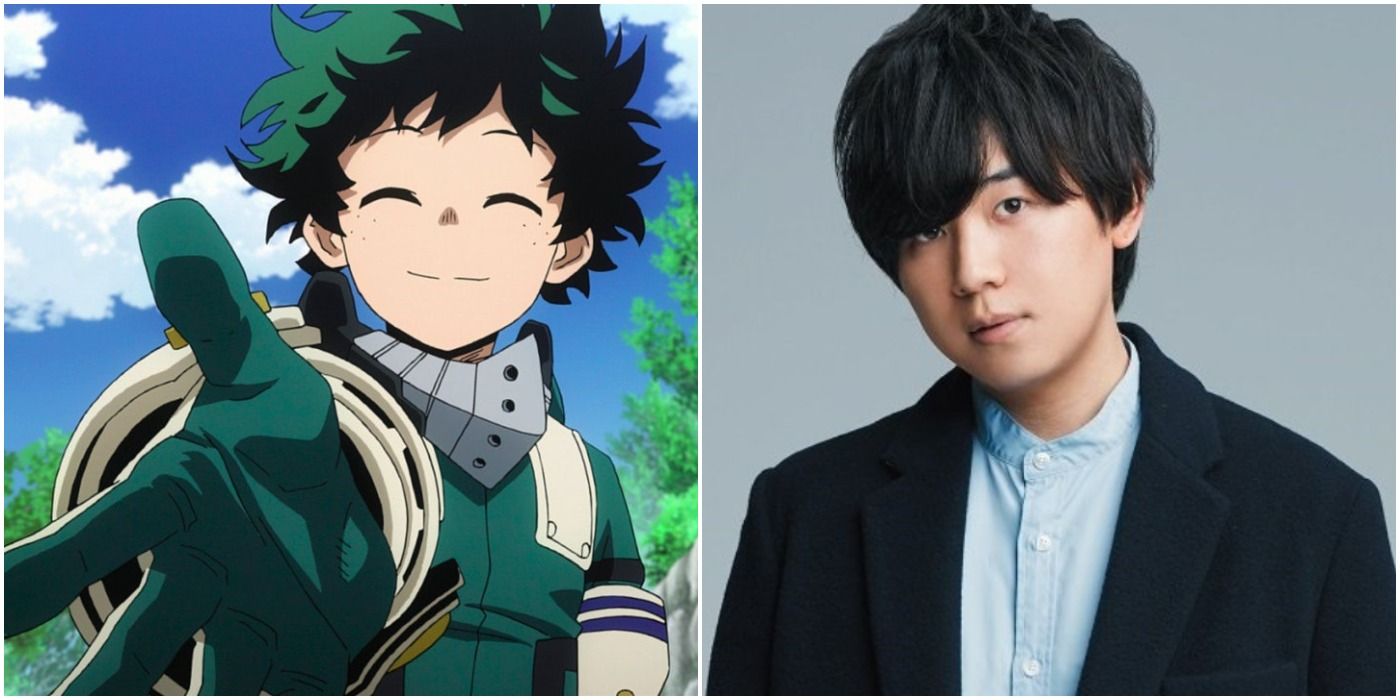
The actor in question—known for voicing a recurring character in My Hero Academia, a top-tier anime with a massive global fanbase—also built a parallel career as a Twitch streamer and social media personality. His dual identity gave him access to thousands of fans who admired his work both in professional voice acting and his casual online presence.
While his character wasn’t one of the leads—perhaps a fan-favorite side hero or villain—he had a loyal following. His streams often blended anime commentary, behind-the-scenes insights, and personal vlogs. That intimacy made his betrayal hit harder. Fans didn’t just see him as a performer—they saw him as a friend.
The Cheating Revelation: How It Broke
The scandal erupted not from a tabloid, but from a raw, emotional Instagram post by his now-ex-girlfriend. In a series of stories and a tearful caption, she detailed months of emotional neglect, secrecy, and ultimately, discovery of flirtatious DMs and in-person meetings with another woman—also part of the anime convention circuit.
She included screenshots, timeline evidence, and voice notes. The digital paper trail was damning. But what made it go viral was context: just weeks before, the couple had posted smiling photos at a fan event, with captions like “Team forever” and “My biggest supporter.”
Her post wasn’t a rant. It was a quiet dismantling of a shared narrative—honest, restrained, and painfully specific. It resonated because it felt real.
The Apology That Made It Worse
Within 48 hours, the voice actor released a 12-minute YouTube video titled “I Need to Be Honest With You.” It began with soft piano music, dim lighting, and a trembling voice. On the surface, it looked like accountability. In practice, it was anything but.
Here’s what went wrong:

- Blame diffusion: He cited “emotional confusion,” “loneliness on the road,” and “pressure from fandom” as contributing factors—never excusing, but never fully owning, the betrayal.
- Self-victimization: He described how hard it was to “live up to everyone’s expectations,” painting himself as overwhelmed rather than remorseful for hurting someone.
- Lack of direct apology to her: While he said “I’m sorry” three times, he never addressed his ex by name or acknowledged specific actions—like lying or emotional manipulation.
- Focus on career impact: He spent nearly two minutes worrying about whether he’d lose roles or fan support, shifting focus from personal harm to professional consequences.
Worst of all, he ended with a plea: “I’m not asking for forgiveness. But I hope you can understand.”
Fans didn’t. And they called it out in real time.
Social Media Backlash and Fandom Fractures
Twitter, Reddit, and TikTok exploded. Clips from the apology video were ripped apart frame by frame. Fans pointed out nervous tics, rehearsed lines, and the glaring absence of true contrition.
On r/Animedubs, one top comment read: > “He’s sorry he got caught, not sorry he did it. And he’s more worried about his next paycheck than the woman he broke.”
TikTok threads dissected his body language. One viral video contrasted his apology with his ex’s post side-by-side—her raw vulnerability versus his performative sorrow. The verdict? He looked like he was auditioning for a redemption arc.
Even neutral fans were turned off. The anime community, especially in voice acting circles, values authenticity. Many noted that his apology felt like a script written by a PR team—generic, hollow, and missing the mark.
Industry Repercussions: Silence Speaks Volumes
The voice actor’s agency released a brief statement: “We are aware of the situation and reviewing it internally.” No condemnation. No support for the ex. No transparency.
Meanwhile, the My Hero Academia production team remained silent. No recasting announcements. No public stance. But behind the scenes, insiders suggest the actor was quietly sidelined from promotional events and future convention appearances.
Streaming platforms followed suit. His Twitch channel, once averaging 3,000 live viewers, saw a 70% drop in concurrent viewers within a week. Donations dried up. Longtime moderators quit, citing discomfort with enabling a “toxic environment.”
Even sponsors distanced themselves. A gaming chair brand he partnered with deleted all posts featuring him without comment.
Why This Apology Failed: A Breakdown
Not all public apologies are doomed. But successful ones share common traits. His missed nearly all of them.
| Element | What It Should Be | What He Did |
|---|---|---|
| Ownership | “I did this.” | “Mistakes were made.” |
| Specificity | Naming actions and impact | Vague references to “poor choices” |
| Empathy | Centering the hurt party | Centering his own pain |
| Accountability | No excuses | Cited loneliness, fame, stress |
| Action Plan | Steps to change | No mention of therapy or amends |
True accountability doesn’t ask to be understood. It says, “I was wrong, and I will do better.” His message said, “I’m human—cut me some slack.”
The Bigger Picture: Influencers, Intimacy, and Trust
This scandal isn’t just about one man cheating. It’s about the illusion of closeness influencers create. Streamers and voice actors often invite fans into their lives—sharing meals, pet names, daily routines. That curated intimacy builds loyalty. But when personal failures clash with that image, the betrayal feels personal.
Fans don’t just feel misled about a relationship. They feel misled about character. And when a public figure fails to apologize meaningfully, it reinforces a growing skepticism toward influencer culture.
One Reddit user put it bluntly: > “We supported him. We bought his merch, watched his streams, rooted for him at cons. And when he messed up, he didn’t apologize to the person he hurt—he apologized to us, like we were the ones he let down.”
That’s the core issue: He treated fans as his primary stakeholders, not the woman he betrayed.
Can He Come Back?
Rebuilding trust is possible—but it’s slow, quiet, and rarely happens in the spotlight.
Some in the industry have recovered from similar scandals. But they did so by stepping back, doing real work (therapy, community service), and returning only when the noise faded—not by chasing relevance.
For this voice actor, the path forward—if he chooses it—requires:
- A private, sincere apology to his ex (not on camera)
- Public silence for at least 6–12 months
- Transparent efforts toward personal growth
- No leveraging of past fame to force a comeback
Anything less will be seen as self-serving.
The Lesson for Influencers and Fans Alike
Authenticity can’t be faked. Audiences today are more media-literate than ever. They can spot performative remorse from a mile away.
For influencers: Your audience invests emotionally. That’s a responsibility, not a platform.
For fans: It’s okay to un-follow, un-support, and withdraw approval when someone violates trust. You’re not canceling them—you’re protecting your own values.
And for this situation? The apology didn’t go well because it wasn’t really an apology. It was damage control. And in the court of public opinion, especially within tight-knit anime communities, that distinction matters.
The fallout isn’t just about a broken relationship. It’s about the cost of losing integrity—and how hard it is to earn it back.
FAQ
What should you look for in My Hero Academia Voice Actor’s Apology Fallout After Cheating Scandal? Focus on relevance, practical value, and how well the solution matches real user intent.
Is My Hero Academia Voice Actor’s Apology Fallout
After Cheating Scandal suitable for beginners? That depends on the workflow, but a clear step-by-step approach usually makes it easier to start.
How do you compare options around My Hero Academia Voice Actor’s Apology Fallout After Cheating Scandal? Compare features, trust signals, limitations, pricing, and ease of implementation.
What mistakes should you avoid? Avoid generic choices, weak validation, and decisions based only on marketing claims.
What is the next best step? Shortlist the most relevant options, validate them quickly, and refine from real-world results.